

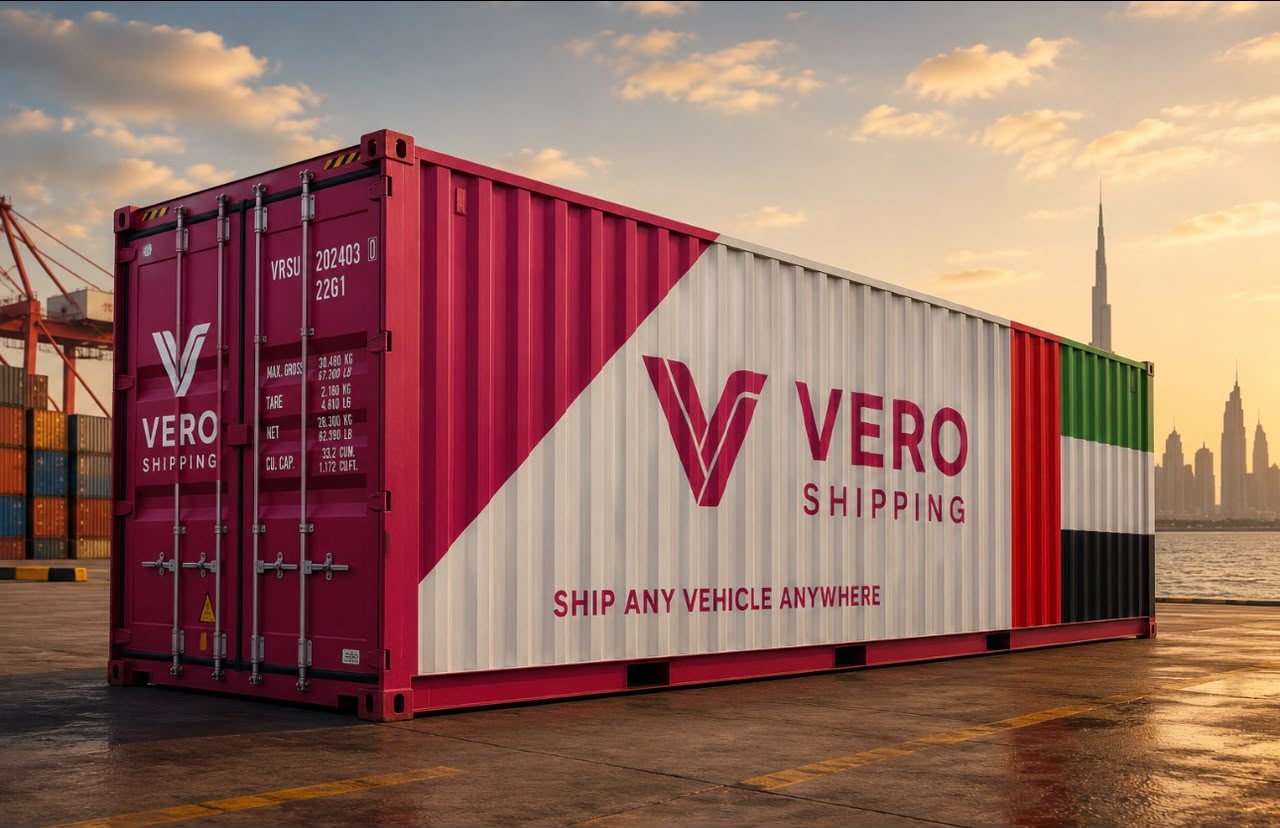
UAE Container Arrival Checklist: Documents, Release Orders and Port Coordination Before Delivery
27 Jun 2026
UAE Container Arrival Checklist: Documents, Release Orders and Port Coordination Before Delivery
A container can arrive at a UAE port before the importer is ready to collect it. The vessel arrival itself is only one stage of the process. Before delivery to a yard, showroom, warehouse or final customer, the consignee, shipping line, clearing agent and transport team need matching documents, a clear release plan and confirmed delivery instructions.
This practical checklist is for importers receiving containers at Jebel Ali, Khorfakkan, Abu Dhabi, Sharjah or another UAE gateway. It is designed to help avoid avoidable delays, document corrections and demurrage or storage exposure after arrival.
1. Confirm the shipment reference before arrival
Keep the booking reference, bill of lading number, container number, vessel name and estimated arrival date in one shared file. These references should match the documents held by the shipper, consignee and clearing representative. If a container has a transshipment, the final vessel and local arrival notice may differ from the first vessel shown at origin, so the arrival plan should always follow the latest carrier notice.
2. Review the bill of lading details early
Before requesting release, verify the consignee name, notify party, destination port, container number, seal number and cargo description. A spelling difference between the bill of lading and the importer’s trade documents can require an amendment. It is much easier to identify a mismatch before the container becomes available at the destination port.
3. Prepare the commercial file
The core commercial documents normally include the commercial invoice, packing list and bill of lading or sea waybill. Depending on the cargo, the importer may also need a certificate of origin, product approvals, insurance details, import permits or other supporting information. The product description, quantities, number of packages, value and origin should be consistent across the documents and the physical cargo.
4. Understand what the carrier release means
Carrier release, delivery order and customs clearance are connected but they are not the same thing. A carrier or shipping-line release allows the destination process to move forward under the carrier’s conditions. Customs clearance is a separate official process. Do not assume that paying ocean freight alone means the container is ready for pickup. Ask the local representative what has been completed and what remains outstanding.
5. Check destination charges and free-time conditions
Before cargo arrival, request a clear list of destination charges and the free-time terms that apply to the shipment. Different charges may relate to terminal handling, documentation, delivery order, customs activity, trucking, container return and storage. Free days can vary by carrier, port, equipment availability and current operating conditions. Confirm the dates in writing and plan payment and pickup accordingly.
6. Decide the delivery location before release
The transport team needs the exact delivery location, contact person, working hours, access conditions and unloading method. A container cannot be delivered efficiently if the final site cannot receive it. Confirm whether a crane, forklift, ramp, labour team or other equipment is needed. For vehicle containers, confirm the receiving yard, gate timing and who will inspect the cargo immediately after opening.
7. Plan customs and inspection communication
Some shipments may be selected for inspection or require clarification before release. The correct response is to provide accurate documentation promptly and avoid changing descriptions after arrival without understanding the reason. Keep one responsible contact for the consignee, one for the clearing process and one for delivery coordination so instructions do not conflict.
8. Container opening and cargo condition records
At delivery, record the container number and seal condition before opening. Take clear photos and video of the seal, doors, cargo arrangement and any visible damage. Count packages against the packing list before the driver leaves where possible. For vehicles, document each VIN, exterior condition and any loose parts or accessories. These records protect the importer and help resolve questions quickly if there is a discrepancy.
9. Empty-container return is part of the job
After unloading, the empty container must usually be returned to the nominated depot within the carrier’s return window. Confirm who is responsible for the empty return, the depot location and the required equipment condition. Leaving the empty container at a delivery site can create additional costs or operational issues, even when the cargo itself has already been unloaded.
10. Final checklist before booking delivery
- Latest arrival notice and vessel details received.
- Bill of lading, invoice and packing list checked for consistency.
- Consignee and importer information confirmed.
- Carrier release and destination charges clarified.
- Customs steps assigned to the authorised party.
- Delivery address, site contact and unloading plan confirmed.
- Container opening inspection plan ready.
- Empty return responsibility and timing agreed.
How VERO SHIPPING supports UAE container arrivals
VERO SHIPPING can coordinate the practical handover from port arrival to yard delivery, including document review, carrier communication, delivery planning and cargo receiving coordination according to the agreed scope of service. Share the bill of lading number, container number, arrival notice, cargo type and final delivery location early so the arrival plan can be prepared before the container becomes urgent.


