

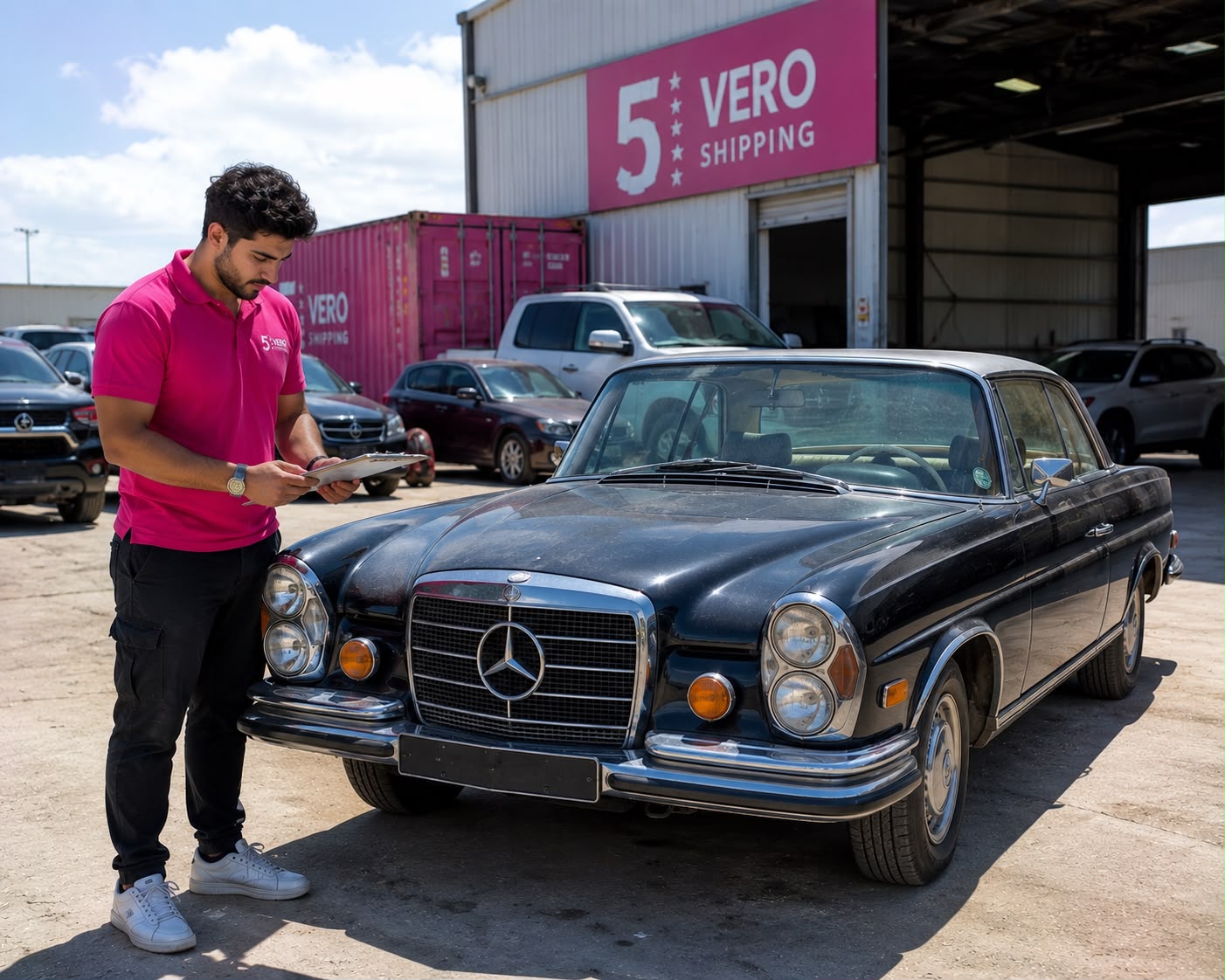
Classic Car Shipping from USA to Nigeria: Collector Vehicle Export Guide
20 Aug 2026
Written by Abu Naif – International Shipping Expert | VERO Shipping
Meta Title: Classic Car Shipping from USA to Nigeria | Collector Vehicle Export Guide
Meta Description: Complete guide for Nigerian buyers shipping classic, vintage and collector cars from USA. Learn about auction pickup, vehicle inspection, inland transportation, export documents, container loading and tracking.
Classic Car Shipping from USA to Nigeria
Shipping a classic or collector vehicle from the United States to Nigeria requires more attention than transporting an ordinary used car. Vintage Mercedes-Benz models, Ford Mustangs, Chevrolet Camaros, Cadillacs, Porsche models, Toyota Land Cruisers and other collector vehicles can contain rare parts, original trim, aging mechanical systems and components that may be difficult or expensive to replace.
For Nigerian collectors, dealers and buyers, shipping should therefore begin with understanding the actual vehicle—not simply obtaining an ocean-freight price.
The vehicle's age, condition, VIN or chassis number, title, running status, location and value can all influence the logistics plan.
VERO Shipping can coordinate the U.S. side of the process, including vehicle pickup, inland transportation, receiving, export preparation, container loading and ocean shipping toward Nigeria.
The objective is to move the collector vehicle while protecting its condition and maintaining clear documentation throughout the shipping process.
🔗 USA Car Shipping to Lagos Nigeria | VERO Shipping
━━━━━━━━━━━━━━━━━━━━━━━━━━━━━━━━━━
1. Know Exactly What Classic Vehicle You Are Buying
The term classic car covers a wide range of automobiles.
A partially restored 1970s vehicle purchased as a project is very different from a fully restored collector car with rare original components.
Before purchasing, Nigerian buyers should identify:
Year and Model
VIN or Chassis Number
Vehicle Condition
Approximate Value
Original or Modified Condition
Running Status
Location in the USA
Title or Ownership Document
Rarity should also be considered.
A small piece of original chrome, a factory steering wheel, an original dashboard or a specific set of wheels may have considerable collector value.
This is why the shipping plan for a classic vehicle should consider more than its physical dimensions.
A vehicle that is difficult to replace deserves a transportation strategy appropriate to its value and condition.
🔗 Container Car Shipping for Nigeria Dealers | VERO Shipping
━━━━━━━━━━━━━━━━━━━━━━━━━━━━━━━━━━
2. Inspect the Classic Car Before Buying
Older vehicles can hide problems that are difficult to identify from normal auction photographs.
Before buying, inspect or investigate:
Rust
Frame Condition
Engine
Transmission
Brakes
Suspension
Steering
Tires
Fuel System
Electrical System
Glass
Interior
Chrome and Trim
Rust deserves particular attention.
A vehicle can have attractive paint while corrosion exists underneath the body or around structural components.
Previous restoration work should also be evaluated.
Some classics have been professionally restored, while others have undergone decades of repairs and modifications.
For Nigerian buyers purchasing remotely, obtaining as much information as possible before bidding can prevent an inexpensive-looking classic from becoming an expensive restoration project.
🔗 Copart Car Shipping to Nigeria | VERO Shipping
━━━━━━━━━━━━━━━━━━━━━━━━━━━━━━━━━━
3. Original Parts Can Have Significant Value
One of the biggest differences between an ordinary used vehicle and a collector automobile is the importance of original components.
These can include:
Factory Wheels
Original Badges
Chrome Trim
Original Mirrors
Vintage Radio
Dashboard Components
Original Steering Wheel
Factory Seats
Headlights
Grilles
A small missing part on a modern car can usually be replaced relatively easily.
With a rare classic, finding the correct original component can take months and may cost substantially more than expected.
Before transportation, photograph valuable original components whenever possible.
If spare parts are being sold with the vehicle, identify them separately.
For collectors, maintaining originality can have a direct impact on the vehicle's eventual market value.
🔗 Luxury Car Shipping from USA to Nigeria | VERO Shipping
━━━━━━━━━━━━━━━━━━━━━━━━━━━━━━━━━━
4. “Runs and Drives” Does Not Mean Roadworthy
A classic car may start and move while still being unsuitable for normal road driving.
Older automobiles can have:
Weak Brakes
Cracked Tires
Fuel Leaks
Cooling Problems
Old Hoses
Steering Problems
Electrical Faults
Battery Problems
Therefore, Nigerian buyers should not interpret Runs and Drives as meaning that the vehicle can safely be driven long distances.
For transportation purposes, more useful questions are:
Does it start?
Does it roll?
Does it steer?
Can it brake sufficiently for controlled loading?
Are all four wheels present?
A collector car that has remained parked for many years may require transportation even if its engine starts.
🔗 USA Inland Car Transport for Nigeria Buyers | VERO Shipping
━━━━━━━━━━━━━━━━━━━━━━━━━━━━━━━━━━
5. Check Tires, Wheels and Brakes
Classic vehicles can remain stationary for years.
As a result, tires may develop cracks, harden or become severely flat-spotted.
Before transportation, determine whether:
All Wheels Are Present
Tires Hold Air
Wheels Rotate
Brakes Are Released
Vehicle Can Roll
This becomes especially important when the vehicle uses rare factory wheels.
A damaged wheel on a common modern vehicle can usually be replaced relatively easily.
Finding an original wheel for a rare collector automobile can be significantly more difficult.
The same principle applies to older braking systems.
The car does not necessarily need to be road-ready before transport, but the transporter should know its actual condition before pickup.
🔗 Non-Running & Damaged Vehicle Shipping to Nigeria | VERO Shipping
━━━━━━━━━━━━━━━━━━━━━━━━━━━━━━━━━━
6. Check for Fluid and Fuel Leaks
Older vehicles commonly develop leaks.
Potential areas include:
Engine Oil
Transmission Fluid
Coolant
Brake Fluid
Power-Steering Fluid
Fuel
Fuel leaks require particular attention because they can create a transportation and shipping safety concern.
Vehicles that have remained in storage for long periods can have deteriorated hoses, seals and fuel-system components.
Nigerian buyers should therefore determine whether the classic has significant leaks before transportation begins.
Do not assume an oil spot underneath a 40-year-old vehicle is irrelevant simply because the car is old.
The condition should be communicated before pickup so the appropriate transportation and handling decisions can be made.
🔗 Vehicle Shipping to Apapa Port Nigeria | VERO Shipping
━━━━━━━━━━━━━━━━━━━━━━━━━━━━━━━━━━
7. Consider the Right U.S. Inland Transportation
Not every classic vehicle requires the same inland transportation.
A restoration project purchased inexpensively may be transported differently from a fully restored collector automobile worth a substantial amount.
For valuable classics, customers may want to discuss transportation options that reduce exposure to:
Weather
Road Debris
Dust
Unnecessary Handling
The decision should be based on:
Vehicle Value
Rarity
Condition
Restoration Quality
Transportation Distance
Tell VERO when the automobile is a rare or particularly valuable collector vehicle before transportation is dispatched.
The objective is to select transportation according to the actual risk rather than simply choosing the cheapest available method.
🔗 Car Shipping from New Jersey to Nigeria | VERO Shipping
━━━━━━━━━━━━━━━━━━━━━━━━━━━━━━━━━━
8. Photograph the Classic Before Transportation
Condition photographs are especially valuable for collector vehicles.
Where possible, photograph:
Front
Rear
Both Sides
Roof
Hood
Trunk
Wheels
Bumpers
Chrome
Glass
Interior
Dashboard
Engine Bay
VIN or Chassis Plate
Rare accessories deserve close-up photographs.
If the vehicle contains an original radio, steering wheel, wheels, badges or other valuable components, record their condition before transportation.
Photographs do not replace a professional mechanical inspection.
However, they create a useful visual record of the vehicle before it moves through the U.S. logistics chain.
For Nigerian collectors managing a purchase remotely, these records provide much better visibility over the automobile's condition.
🔗 How to Track a Car from USA Auction to Nigeria | VERO Shipping
━━━━━━━━━━━━━━━━━━━━━━━━━━━━━━━━━━
9. Check the VIN or Chassis Number Carefully
Classic automobiles may not always have the standardized 17-character VIN found on modern vehicles.
Older manufacturers used different identification formats, and some collector vehicles can have shorter serial or chassis numbers.
Do not automatically assume a shorter identification number is incorrect.
Instead, compare the identification on the physical vehicle with:
Title
Ownership Document
Purchase Invoice
VIN/Chassis Plate
Export Records
The information should correspond correctly.
This is especially important with vehicles that have undergone extensive restoration or modification over several decades.
Nigerian buyers should resolve identification or documentation questions before the vehicle reaches the final export stage.
🔗 USA to Nigeria Car Shipping Documents Checklist | VERO Shipping
━━━━━━━━━━━━━━━━━━━━━━━━━━━━━━━━━━
10. U.S. Export Documentation Still Matters
Being a collector vehicle does not automatically remove normal U.S. export requirements.
The buyer should have the appropriate ownership documentation and ensure the vehicle identification corresponds with the paperwork.
Records should include, as applicable:
Title or Ownership Document
VIN/Chassis Number
Purchase Invoice
Exporter Information
Shipment Information
U.S. Customs and Border Protection maintains specific procedures for exporting used self-propelled vehicles from the United States.
For Nigerian collectors, documentation should therefore be checked early instead of waiting until the vehicle is ready to be loaded.
A beautiful restored vehicle sitting at the export facility is not useful if its documentation prevents it from moving with the planned shipment.
🔗 U.S. Customs and Border Protection – Exporting a Motor Vehicle
━━━━━━━━━━━━━━━━━━━━━━━━━━━━━━━━━━
11. Container Loading Should Protect Collector Value
Classic vehicles should not be loaded based only on the goal of fitting the maximum possible number of cars into a container.
The loading plan should consider:
Length
Width
Height
Ground Clearance
Vehicle Value
Fragile Components
Chrome
Wheels
Body Condition
Mobility
A restored classic with valuable paint and original trim may require more conservative positioning than an ordinary used vehicle.
The exact combination of vehicles in the container also matters.
When several cars are being shipped together, their dimensions and condition should be reviewed as a group.
For valuable collector vehicles, protecting the automobile can be commercially more important than maximizing container capacity.
🔗 Shipping SUVs & Pickup Trucks from USA to Nigeria | VERO Shipping
━━━━━━━━━━━━━━━━━━━━━━━━━━━━━━━━━━
12. Plan the Shipping Before Buying the Classic
The ideal time to consider shipping is before the purchase.
Before bidding or paying for a collector vehicle, check:
Exact U.S. Location
VIN/Chassis Number
Title
Vehicle Value
Running Condition
Tires
Brakes
Rust
Leaks
Ground Clearance
Loose Parts
Transportation Requirements
If the vehicle is a restoration project, determine whether it rolls and steers.
If it is an expensive restored collector car, consider whether it deserves a higher level of protection during inland transportation and container loading.
Shipping should become part of the purchase calculation.
The true cost is not simply:
Vehicle Purchase Price
It is:
Purchase + Inland Transportation + Export + Ocean Shipping + Restoration + Risk
🔗 Car Shipping from Savannah Georgia to Nigeria | VERO Shipping
━━━━━━━━━━━━━━━━━━━━━━━━━━━━━━━━━━
Frequently Asked Questions
1. Can I ship a classic car from USA to Nigeria?
Yes. Classic and collector vehicles can be shipped from the United States toward Nigeria when the vehicle, documentation and shipping arrangement are suitable.
Before arranging transportation, provide the year, make, model, VIN or chassis number, exact U.S. location and physical condition.
For a particularly valuable restored classic, also tell VERO its approximate value and any handling concerns.
The shipping strategy should reflect the vehicle's rarity and condition rather than treating every collector automobile like an ordinary used sedan.
🔗 USA Car Shipping to Lagos Nigeria | VERO Shipping
━━━━━━━━━━━━━━━━━━━━━━━━━━━━━━━━━━
2. Can I buy a classic car from Copart and ship it to Nigeria?
Potentially, yes, subject to purchasing eligibility, documentation and the specific vehicle.
Copart has classic and vintage inventory in the United States. Before buying, Nigerian customers should review the title/document type, photographs, damage description and vehicle condition.
Also consider the auction location.
A vehicle purchased close to an export facility can have very different inland transportation costs from one located thousands of miles away.
🔗 Copart Classic & Vintage Cars
━━━━━━━━━━━━━━━━━━━━━━━━━━━━━━━━━━
3. Can a non-running classic car be shipped?
Potentially, yes.
Many collector automobiles are purchased as restoration projects.
The most important transportation questions are whether the vehicle rolls, steers and has functional wheels.
A non-running classic that rolls normally can present a very different pickup situation from a vehicle with locked wheels, severe suspension damage or missing components.
Provide the actual condition before arranging transportation.
4. Should I use enclosed transportation?
It depends on the automobile.
A rare, fully restored or exceptionally valuable classic may justify enclosed inland transportation.
A low-value restoration project may not.
Consider the vehicle's value, condition, paint, rarity and transportation distance.
The correct decision should balance protection and cost.
5. What if the classic has been sitting for years?
Check the tires, brakes, fuel system, battery, cooling system, fluids and leaks.
A car that has remained stationary for many years should not automatically be considered roadworthy even if its engine starts.
For shipping, determine whether it can safely roll, steer and be loaded.
6. Does a classic vehicle need a 17-digit VIN?
Not necessarily.
Older vehicles can use VIN, serial or chassis-number formats that predate today's standardized 17-character VIN.
The important requirement is that the physical identification corresponds correctly with the ownership documentation.
Never change or guess an older vehicle's identification number simply because it looks different from a modern VIN.
7. Can several classic cars ship in one container?
Potentially, yes.
The actual capacity depends on the dimensions and condition of each vehicle.
A compact vintage sports car and a large American classic sedan can occupy very different amounts of space.
The loading arrangement should also protect fragile trim, bodywork and valuable components.
🔗 Container Car Shipping for Nigeria Dealers | VERO Shipping
━━━━━━━━━━━━━━━━━━━━━━━━━━━━━━━━━━
8. Should I photograph my collector vehicle?
Yes. Detailed photographs are particularly useful for valuable or rare automobiles.
Record the body, wheels, glass, bumpers, chrome, interior and VIN/chassis identification.
Photograph rare accessories separately.
These images create a visual reference before transportation and can be compared with later receiving records.
9. Should I consider cargo insurance?
For an expensive collector vehicle, appropriate cargo insurance is worth considering.
Do not assume the normal transportation or ocean-freight charge automatically covers the vehicle's full collector value.
Coverage conditions, declared values and exclusions can vary.
The customer should understand the applicable insurance terms before shipment.
10. Can a classic car with rust still be shipped?
Rust alone does not necessarily prevent transportation.
However, severe structural corrosion can affect how safely the vehicle can be moved or secured.
If the frame, suspension mounting areas or other structural sections are heavily corroded, inform the transportation team before pickup.
11. How do I track my classic car?
Track the vehicle using its VIN or chassis number during the U.S. logistics process.
After container loading, connect that vehicle identification with the container and booking information.
A useful record is:
VIN/Chassis → Pickup → Export Facility → Container → Booking → Vessel → Nigeria
🔗 VERO Vehicle Tracking Guide for Nigerian Buyers
━━━━━━━━━━━━━━━━━━━━━━━━━━━━━━━━━━
12. What should I send VERO for a classic-car shipping quote?
Send:
VIN or Chassis Number
Year
Make and Model
Exact U.S. Location
Purchase Source
Approximate Vehicle Value
Running/Non-Running Status
Whether It Rolls and Steers
Known Damage
Tire Condition
Known Leaks
Nigeria Destination
For several vehicles, send the complete list so the inland transportation and container plan can be evaluated together.
Classic Car Shipping Checklist
Before shipping your collector vehicle:
✓ Check VIN or chassis number
✓ Review title/ownership documentation
✓ Inspect rust and structural condition
✓ Check tires and wheels
✓ Check brakes
✓ Identify fluid or fuel leaks
✓ Photograph original components
✓ Record existing damage
✓ Confirm whether the car rolls and steers
✓ Select appropriate U.S. inland transportation
✓ Prepare export documentation
✓ Plan container positioning
✓ Record container and booking information
✓ Track the shipment toward Nigeria
A classic vehicle should not be shipped only according to its size.
Its rarity, originality, condition and replacement difficulty should influence how the entire shipment is planned.
🔗 Car Shipping from Houston Texas to Nigeria | VERO Shipping
━━━━━━━━━━━━━━━━━━━━━━━━━━━━━━━━━━


